
Repair is a local process
Tissue that has been damaged goes through a sequence: inflammation, new blood vessel formation, matrix deposition, remodelling. Each stage is driven by signalling molecules, and each stage is a separate place where a peptide could in principle intervene. Most of the research here is about identifying which stage a given compound touches.
That is also why the results are hard to generalise. A compound that influences angiogenesis in a rat tendon model has demonstrated something specific about that model. Extrapolating it to a different tissue, let alone a different species, is a step the papers themselves are usually careful not to take.
The two most studied molecules here are frequently discussed as a pair, largely because early work looked at them side by side. They are not variants of each other and their proposed mechanisms differ.
What is being investigated- Angiogenesis and new vessel formation
- Fibroblast migration and matrix deposition
- Inflammatory signalling in the early repair phase
- How much of the work is in vivo versus in vitro
Where this sits legally
Neither of the two main compounds in this area holds an approval anywhere. That is worth knowing before you read a page elsewhere that implies otherwise.
Compounds studied here
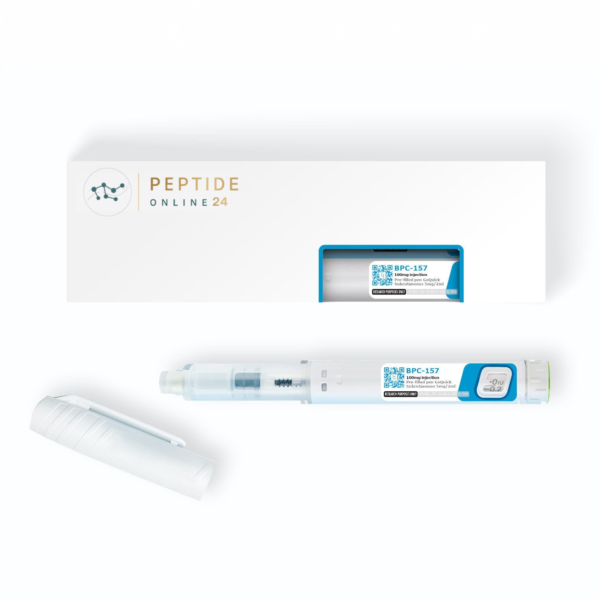
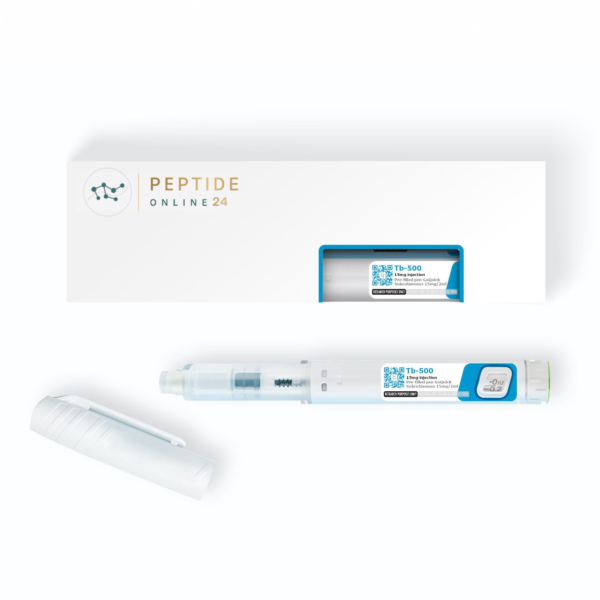
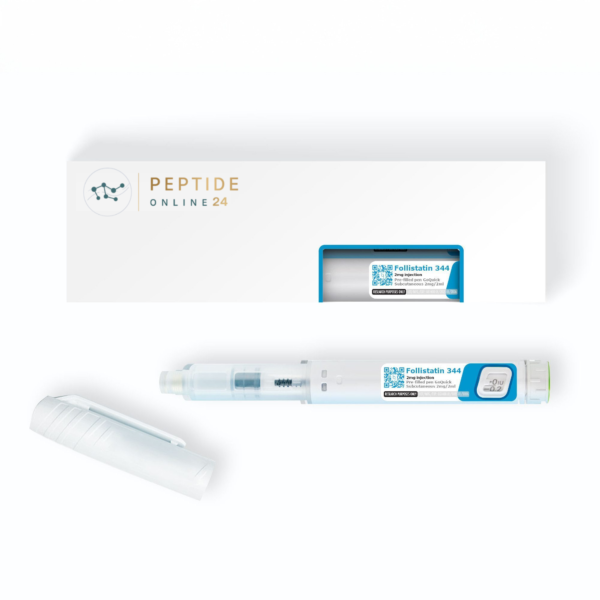
Four items, including the one capsule product where the gut is the target.
What this page leaves out
Nothing here says a compound heals anything. The regeneration work is largely animal research examining specific stages of a repair process in specific tissues, and the papers themselves are careful not to generalise beyond that. We are not going to be less careful than the researchers were.
Read before you order
Where the regeneration literature is strong, and where it is a single research group.
BPC-157
A fifteen-residue sequence derived from a protein in gastric juice, and the literature it rests on.
Read CompoundTB-500
A fragment of thymosin beta-4 that is routinely sold under the name of the whole protein.
Read ComparisonBPC-157 vs TB-500
Where the two overlap, where they do not, and why they are so often named together.
Read PracticeStorage and shelf life
Regeneration work often runs over weeks, which makes how you store material between sessions a variable in its own right.
ReadQuestions about this area
Largely about how far animal work can reasonably be extrapolated.