
Copper, collagen and pigment
Two very different research threads sit under this heading. The first is dermatological: a copper-binding tripeptide that has been studied since the 1970s in the context of wound healing and extracellular matrix turnover. That literature is genuinely substantial and predates the current peptide market by decades.
The second concerns melanocortin receptors and pigmentation. It is a much shorter literature, and it is the one where several European regulators have published safety notices. We link to those notices rather than summarising them, because the wording matters.
Treating those two threads as one subject, which most supplier pages do, obscures the fact that one is well documented and the other carries active regulatory attention.
What is being investigated- Copper binding and extracellular matrix turnover
- Fibroblast activity and collagen synthesis in vitro
- Melanocortin receptor signalling and pigmentation
- Published regulatory positions in the EU
Where this sits legally
The copper peptide has decades of dermatological literature and no approval as a medicine. The pigmentation compound has both a shorter literature and published regulatory notices. Those are different situations.
Compounds studied here
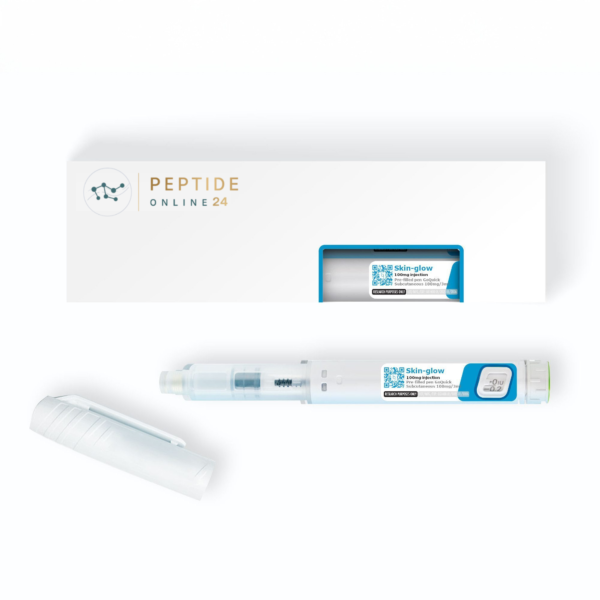
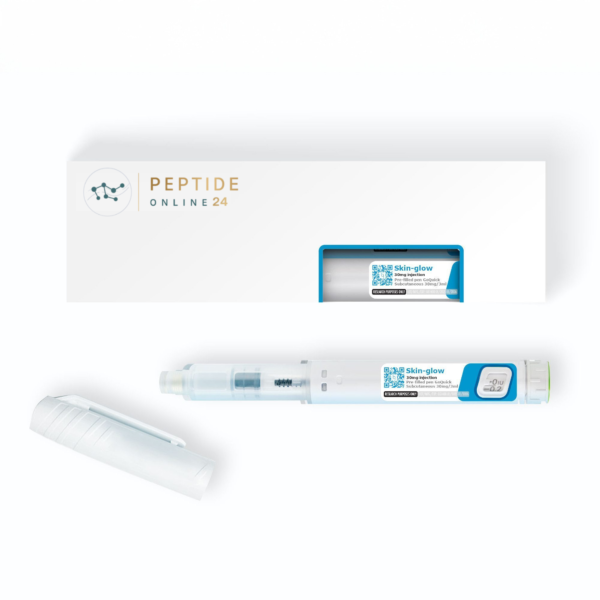
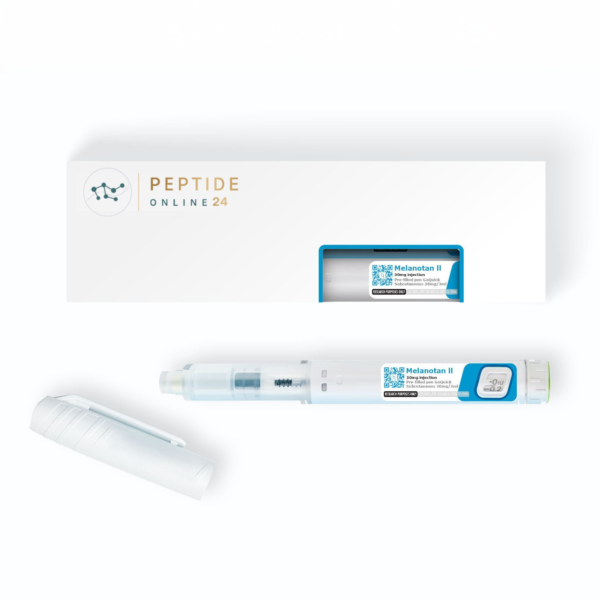
Three items across two research threads with very different track records.
What this page leaves out
No claims about appearance, and no before-and-after anything. The dermatological literature on copper peptides used routes and preparations that differ from what we supply, so comparing across them is already a stretch. For the pigmentation compound we point at the regulators’ own wording instead of writing our own.
Read before you order
One long dermatological literature, one set of regulatory notices. Both linked in full.
GHK-Cu
A tripeptide bound to copper, with one of the longest publication trails in the catalogue.
Read CompoundMelanotan 2
Including the safety notices several European regulators have published, quoted in full.
Read CategoryCollagen peptides
A food ingredient rather than research material, and why it sits under different rules entirely.
Read FrameworkResearch use only
What the label permits, what it forbids, and who carries the responsibility.
ReadQuestions about this area
Mostly about telling the two threads on this page apart.