
A short literature, honestly described
The compounds studied here are short sequences, several of them derived from fragments of larger signalling molecules. The proposed mechanisms usually involve neurotrophic factors or neurotransmitter regulation, and most of the evidence sits in animal models and small human studies from a single research tradition.
Two practical things follow from that. First, replication outside the original groups is limited, so a confident-sounding summary online is usually reporting one study rather than a body of work. Second, translation quality varies, and details get lost between the original paper and the English summary that circulates.
The nasal route appears more often here than anywhere else in the catalogue, and that is not coincidental: these are among the few sequences short enough for the mucosal route to be worth studying at all.
What is being investigated- Neurotrophic factor expression in animal models
- Neurotransmitter regulation and receptor interaction
- Why so much of the source literature is Russian-language
- Chain length and why the nasal route appears here
Where this sits legally
None of these compounds holds an approval in the EU. Some are used clinically in other jurisdictions under different regulatory systems, which is not the same thing and should not be read as one.
Compounds studied here
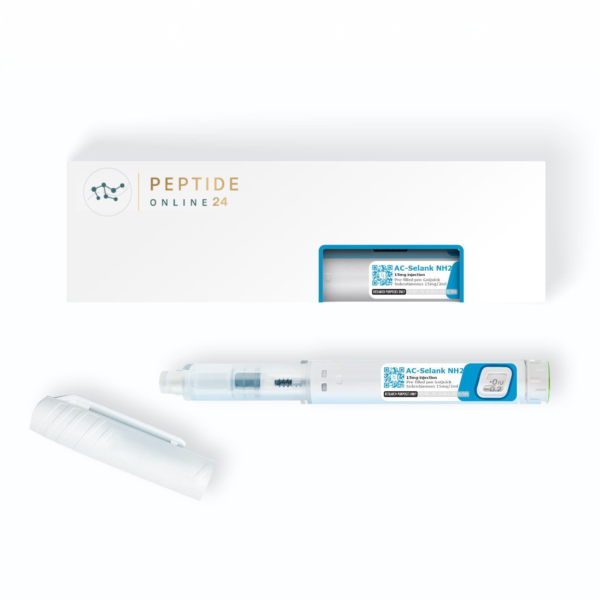
Five items, several available in both pen and spray so routes can be compared.

What this page leaves out
We do not use the word nootropic, because it implies a demonstrated effect in people that this literature has not established. We also flag where source material is hard to verify rather than quietly citing a summary of a summary. That leaves less to say than most pages on this subject, which is the point.
Read before you order
Including honest notes on which sources can and cannot be checked against an original.
Semax
A heptapeptide with a largely Russian-language evidence base, and what that means for verification.
Read CompoundSelank
A synthetic analogue of tuftsin studied in anxiety research, and where the literature stops.
Read CompoundDihexa
A small molecule from angiotensin IV, and why it is not a peptide despite the company it keeps.
Read FormatNasal sprays
Why this route appears more often in cognition research than anywhere else in the catalogue.
ReadQuestions about this area
Often about how to read a study you can only find in summary.